How Beyoncé Built a Global Brand
Introduction
Beyoncé Giselle Knowles‑Carter is not just a global music superstar — she is a cultural phenomenon, a shrewd entrepreneur, and one of the most influential figures in modern entertainment and business. Over more than two decades, Beyoncé has moved from being a member of a successful pop group to a solo artist whose brand transcends music, encompassing film, fashion, fragrance, business ventures, and cultural influence. Her success story is rooted in a blend of raw talent, strategic branding, relentless work ethic, artistic innovation, and careful control over her image and messaging.
This article explores how Beyoncé built a global brand — from her early days in Houston, Texas, to becoming an international icon whose influence reaches far beyond the entertainment industry. Through examining her music, business decisions, media strategy, cultural impact, and entrepreneurial ventures, we can better understand the blueprint of a brand that continually evolves while maintaining authenticity.
Early Life and Musical Beginnings
Beyoncé was born on September 4, 1981, in Houston, Texas. Her interest in performing began at a young age, participating in dance and vocal lessons and entering local talent shows. Her early experiences were foundational, teaching her discipline and competitive drive.
In the mid‑1990s, Beyoncé rose to prominence as the lead singer of the R&B girl group Destiny’s Child. The group, managed by her father Mathew Knowles, quickly achieved commercial success with hits like “Say My Name”, “Independent Women”, and “Survivor”. Their image combined strong vocal performance with a message of female empowerment — an early indicator of the themes that would continue throughout Beyoncé’s career.
But it was clear early on that Beyoncé’s ambitions extended beyond being part of a group. Fans and industry insiders began to see her as a standout performer with star potential. The success of Destiny’s Child laid the groundwork for Beyoncé’s later evolution into a global solo artist.
Solo Breakthrough and Brand Identity
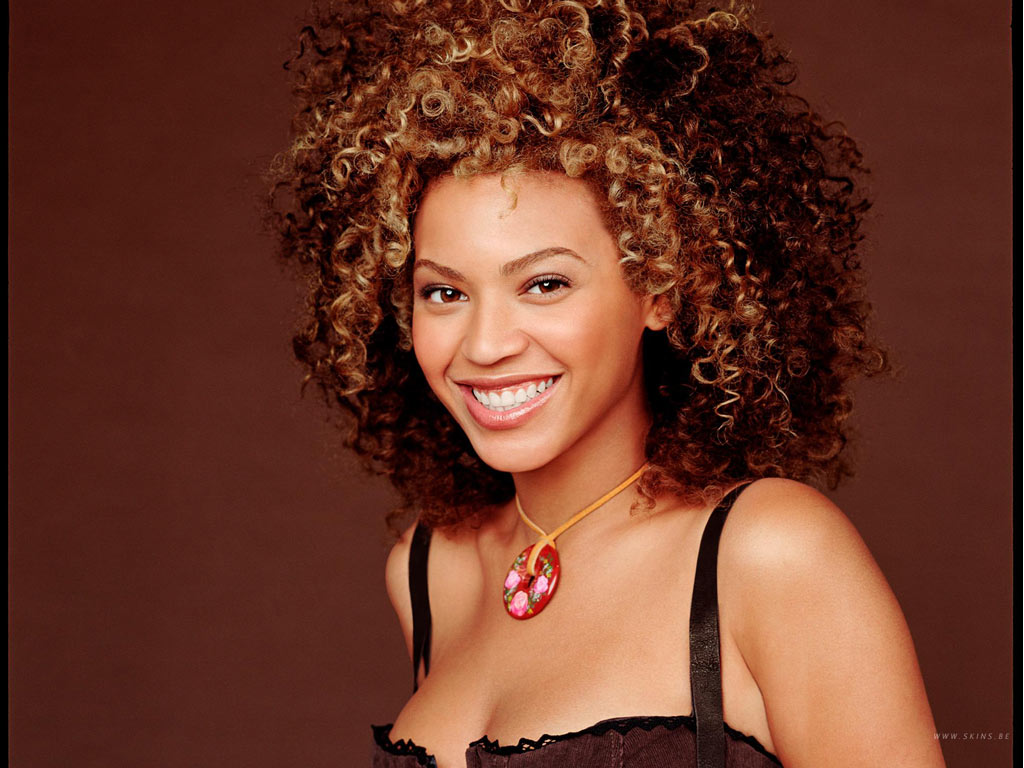
Beyoncé’s solo career officially began with the release of her debut album Dangerously in Love in 2003. The album was a critical and commercial success, earning multiple Grammy Awards and producing hits like “Crazy in Love” and “Baby Boy”. Her image as both a powerful vocalist and a dynamic performer was solidified.
From the beginning, Beyoncé’s brand was built around several key themes:
1. Empowerment and Self‑Confidence
From songs that celebrate independence and strength to imagery that projects control and confidence, Beyoncé built a personal brand rooted in empowerment. Tracks like “Irreplaceable” and later “Run the World (Girls)” tapped into messages that resonated with a broad audience.
2. Artistry and Visual Innovation
Beyoncé’s music was not just about sound — it was a visual experience. Music videos, live performances, and stage design were integral to her artistic expression. She understood that visuals extend her narrative and deepen audience engagement.
3. Consistency and Reinvention
While her style evolved, certain core elements of Beyoncé’s brand remained constant: excellence, precision, and creativity. Each album cycle offered something fresh while staying rooted in her established identity.
Strategic Releases and Visual Albums
One of Beyoncé’s most defining moves in the digital era was her approach to album releases — especially with Beyoncé (2013) and Lemonade (2016).
Beyoncé (2013): A Surprise Album
In December 2013, Beyoncé released her self‑titled album without any prior announcement — a move that sent shockwaves through the music industry. The surprise release was unprecedented for an artist of her caliber and took advantage of digital platforms to bypass traditional marketing build‑ups.
This strategy reinforced Beyoncé’s position as a cultural innovator. The album also featured visuals for every song, essentially creating a visual album that expanded the artistic narrative. It debuted at No. 1 and shattered sales records.
Lemonade (2016): Art, Identity, and Storytelling
Lemonade was more than an album — it was a cultural event. Released with a one‑hour film on HBO, the project explored themes of Black womanhood, infidelity, pain, healing, and empowerment. It drew critical praise for its vulnerability, artistic depth, and cultural relevance.
Lemonade was also a strategic brand assignment of identity — Beyoncé was no longer just a performer; she was a storyteller whose work sparked worldwide conversations on race, gender, and resilience.
Entrepreneurial Ventures and Business Expansion
While Beyoncé built her foundation in music, she expanded her brand through savvy business ventures.
Music and Touring
Beyoncé’s tours have consistently been among the highest‑grossing in the world. Her Formation World Tour (2016) and Renaissance World Tour (2023‑2024) demonstrated her global draw and ability to turn live shows into cultural spectacles. These tours also extended her brand — from fashion collaborations to fan experiences and digital content.
Ivy Park
In 2016, Beyoncé launched Ivy Park, an activewear brand that combined fashion, empowerment, and inclusivity. The brand’s name is derived from her daughter, Ivy, and Parkwood (her management company), symbolizing personal and professional fusion.
Ivy Park’s partnership with Adidas expanded its reach globally, and product releases often sold out rapidly — demonstrating the brand’s strong connection with consumers. Ivy Park is more than apparel, it represents a lifestyle and creative expression aligned with Beyoncé’s broader brand identity.
Film and Television
Beyoncé’s influence extends into film and television. Projects such as Dreamgirls (2006), Cadillac Records (2008), and her work in Lion King: The Gift (2019) show her ability to cross between music and visual storytelling. These ventures have reinforced her brand beyond music alone.
Endorsements and Partnerships
Strategic partnerships have also played a role in Beyoncé’s brand. From fashion to beauty and commercial partnerships, Beyoncé’s endorsements have been carefully curated — aligning with her personal values and artistic vision.
Control over Narrative and Media
A significant part of Beyoncé’s branding success comes from how she controls her narrative.
Limited Traditional Media Interaction
Beyoncé is known for being selective with interviews and public appearances, especially early in her solo career. Rather than constantly engaging with traditional media, she lets her art speak for itself. This creates intrigue and places focus on her work instead of her personal life.
Surprise Drops and Strategic Messaging
By choosing when and how to release music and media — often with minimal advance notice — Beyoncé maintains control. This strategy also generates viral moments and extensive media coverage without relying on conventional promotional cycles.
Personal Narrative Through Art
Instead of revealing her life through interviews or tabloids, Beyoncé expresses personal themes and stories through her music and visuals. This choice allows her to control the emotional and artistic interpretation of her life experiences — from love to family to identity.
Cultural Impact and Influence
Beyoncé’s brand is about more than entertainment — it’s cultural influence.
Representation and Identity
As a Black woman at the center of global pop culture, Beyoncé represents a powerful figure in conversations about race, gender, and representation. Lemonade, in particular, became a touchstone for discussions about Black womanhood and resilience.
Social and Political Commentary
Beyoncé’s work occasionally incorporates political themes, such as in Formation (2016) which referenced police brutality and cultural pride. These moments resonate with audiences beyond music — they become cultural statements.
Influence on Fashion and Performance
Beyoncé’s style — from stage costumes to public appearances — influences fashion trends globally. Her performances set standards for choreography, production, and visual storytelling in pop music.
Fanbase and Community
A major strength of Beyoncé’s brand is her fan community — the Beyhive.
Loyalty and Engagement
Beyoncé’s fans are known for their devotion. The Beyhive actively engages with her music, visuals, and announcements — creating social media movements that deepen audience connection and expand reach.
Word‑of‑Mouth and Virality
Beyoncé’s releases often become global events, fueled by fan reaction on social media. The Beyhive amplifies her work, helping it dominate cultural conversations and media coverage.
Shared Identity and Values
The Beyhive connects over shared admiration for Beyoncé’s artistry, empowerment themes, and cultural engagement. This creates a network effect — where fans feel personally invested in her success and promote her work organically.
Challenges and Criticisms
No brand ascent is without challenges.
Balancing Privacy and Public Life
While Beyoncé has maintained control over her public narrative, her status as a global figure brings intense media scrutiny. Balancing personal privacy with global visibility remains an ongoing challenge.
Expectations and Innovation
With each project, fans and critics expect innovation. Maintaining creativity while meeting high expectations demands continual reinvention without alienating core supporters.
Cultural Interpretation and Backlash
When art intersects with culture and politics, responses vary. Beyoncé’s work has sometimes sparked debate — a reflection of her willingness to address complex themes.
Legacy and Long‑Term Brand Strategy
Beyoncé’s long‑term strategy has always been bigger than music sales. Her brand is rooted in:
- Artistic authenticity
- Visual storytelling
- Strategic control of narrative
- Cultural relevance
- Entrepreneurial expansion
- Community engagement
Her brand will likely continue evolving — from new music projects to business ventures and cultural initiatives.
Conclusion
Beyoncé’s journey from a young performer in Houston to a global brand icon is a testament to talent, strategic vision, and relentless commitment to craft. She embodies both artistic excellence and entrepreneurial acumen — creating a brand that resonates across cultures and industries.
By controlling her narrative, innovating in releases, expanding into business ventures, and engaging deeply with her community, Beyoncé has created something far greater than a music career — she built a legacy.
About the Author