Fashion Influence of Harry Styles
Introduction
Harry Styles has become one of the most influential fashion figures of the 21st century. Rising to fame as a member of the globally successful boy band One Direction, Styles transitioned into a solo artist with a distinct musical identity and an even more distinctive fashion presence. Over time, he has redefined mainstream menswear, challenged traditional gender norms, and positioned himself as a global style icon. His fashion influence extends beyond red carpets and magazine covers, shaping conversations about masculinity, individuality, and creative freedom in clothing.
This article examines the evolution of Harry Styles’ fashion journey, the defining elements of his style, his collaborations with major fashion houses, and his broader cultural impact on the fashion industry.
Early Career and Style Foundations
Harry Styles first gained international recognition in 2010 through the television show The X Factor UK. As a member of One Direction, his early style reflected the coordinated, youthful image typical of boy bands. Slim jeans, fitted blazers, Chelsea boots, and casual T-shirts dominated his wardrobe during the group’s early tours and promotional appearances.
However, even in those formative years, subtle signs of experimentation were visible. Styles gradually adopted more tailored silhouettes and embraced classic British influences, including patterned shirts and vintage-inspired outerwear. As One Direction’s success grew, so did Styles’ confidence in exploring fashion beyond safe pop-star conventions.
By the mid-2010s, he began incorporating elements that set him apart from his bandmates. Floral prints, silk scarves, and bold tailoring became more prominent. These choices signaled the beginning of a transformation that would define his solo career and elevate him from pop idol to fashion innovator.
Transition to Solo Artist and Style Reinvention
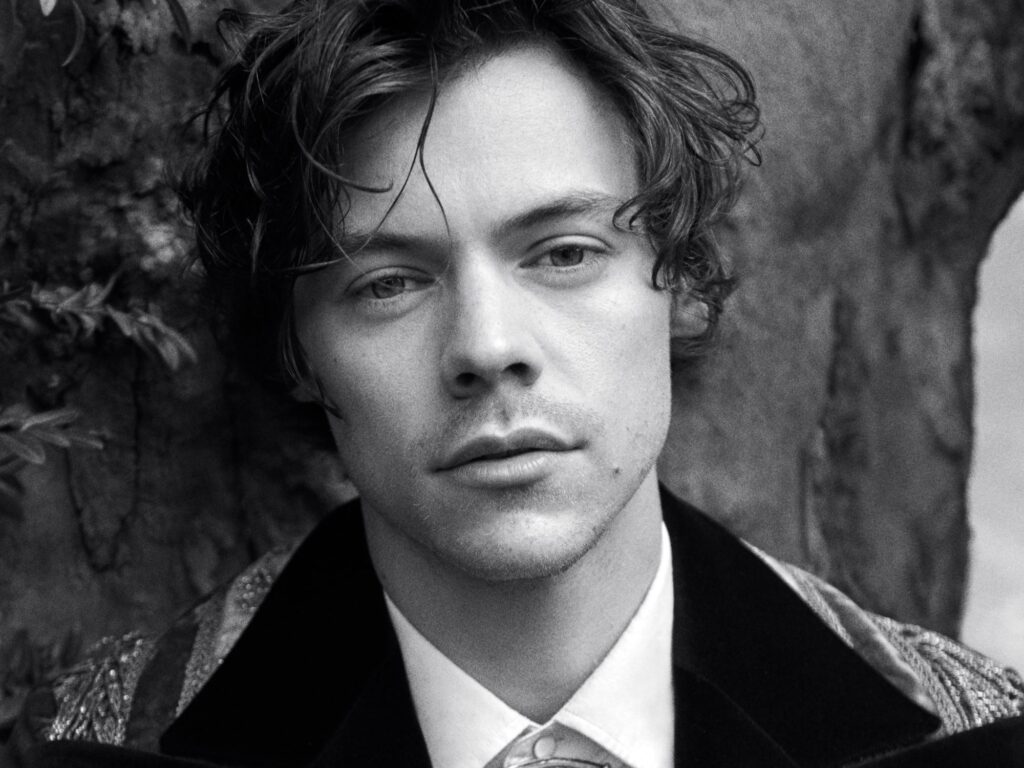
In 2017, Harry Styles launched his solo career with the release of his debut album, Harry Styles. This period marked a dramatic shift in his public image. The music embraced rock influences, and his fashion followed suit. Drawing inspiration from 1970s icons such as David Bowie, Elton John, and Mick Jagger, Styles adopted a more theatrical and expressive wardrobe.
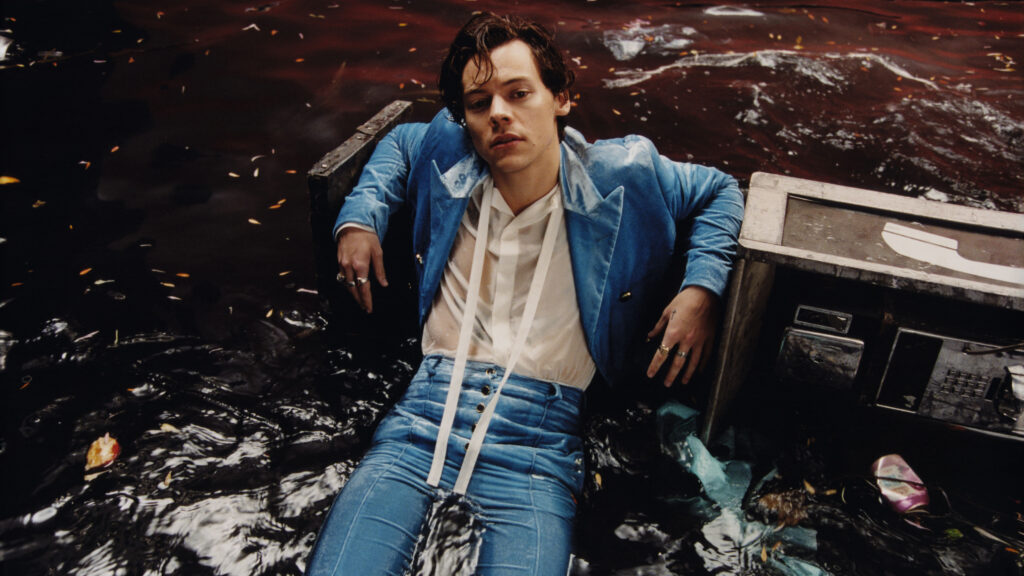
Tailored suits with wide lapels, high-waisted trousers, ruffled shirts, and bold patterns became central to his aesthetic. Rather than conforming to modern minimalist menswear trends, Styles embraced flamboyance and vintage glamour. His fashion choices communicated artistic freedom and confidence, reinforcing the authenticity of his musical direction.
This reinvention was not accidental. It aligned with a broader narrative of independence and maturity. By presenting himself as a serious artist with a distinctive visual identity, Styles differentiated himself from his boy-band past and established credibility in both music and fashion.
Collaboration with Gucci
A defining element of Harry Styles’ fashion journey has been his long-standing relationship with the Italian luxury brand Gucci. Under the creative direction of Alessandro Michele, Gucci embraced romanticism, maximalism, and gender-fluid aesthetics—qualities that aligned seamlessly with Styles’ evolving image.
Styles began frequently wearing Gucci designs on stage, at award ceremonies, and in editorial shoots. The partnership culminated in major fashion campaigns and public appearances that showcased his ability to embody high fashion with ease. His custom Gucci suits often featured vibrant colors, embroidery, velvet textures, and unexpected detailing.
This collaboration elevated Styles’ position within the fashion industry. He was no longer simply a celebrity wearing designer clothing; he became a muse and ambassador whose personality complemented the brand’s creative vision. The synergy between Styles and Gucci demonstrated how celebrity partnerships can transcend endorsement and become artistic alliances.
Gender Fluidity and Breaking Norms
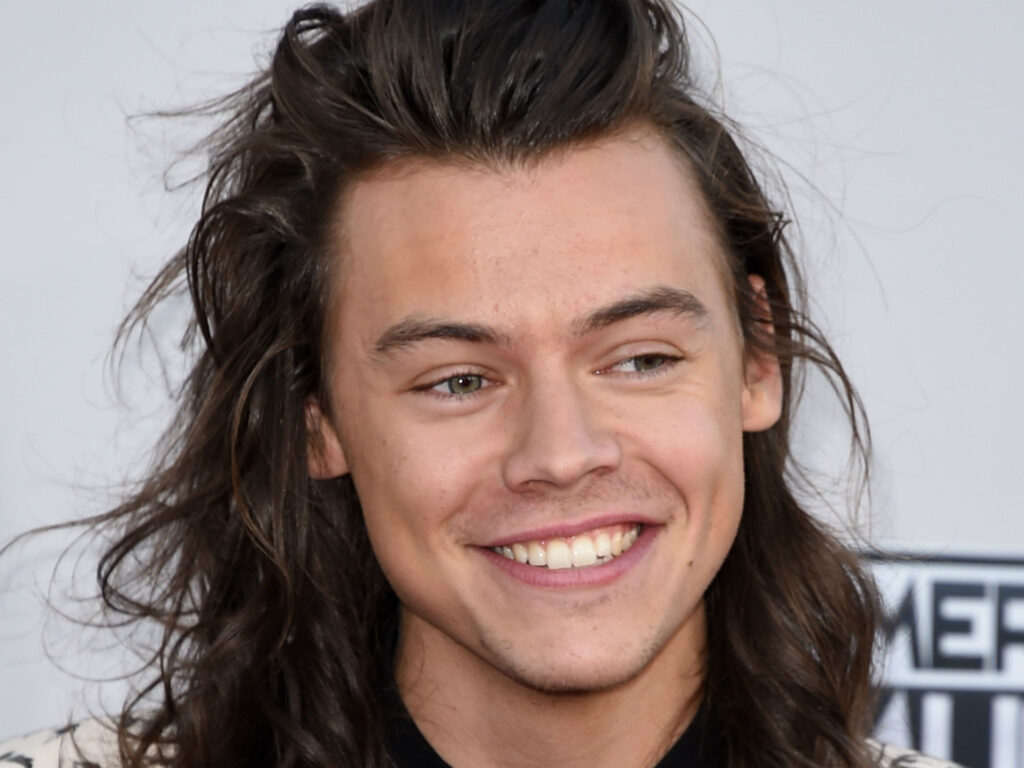
One of the most significant aspects of Harry Styles’ fashion influence is his challenge to traditional gender norms. In a fashion landscape historically divided by rigid definitions of menswear and womenswear, Styles has consistently blurred boundaries.
He has worn sheer blouses, pearl necklaces, high-waisted trousers, and nail polish without framing these choices as statements of rebellion. Instead, he presents them as natural expressions of personal style. This normalization has had a profound cultural effect, particularly among younger audiences who see fashion as a space for self-exploration rather than limitation.
In 2020, Styles appeared on the cover of Vogue wearing a dress, becoming one of the first solo male cover stars of the American edition of the magazine to do so. The image sparked widespread discussion about masculinity and clothing. Supporters praised the move as progressive and liberating, while critics debated its implications. Regardless of differing opinions, the cover cemented Styles’ role as a catalyst for conversation about gender expression in fashion.
By embracing fluidity, Styles expanded the possibilities of mainstream menswear. Designers, retailers, and emerging brands have since increasingly incorporated gender-neutral elements into their collections, reflecting shifting consumer attitudes influenced in part by figures like Styles.
Red Carpet Statements
Harry Styles’ red carpet appearances are consistently anticipated events in the fashion world. Unlike many male celebrities who rely on classic black tuxedos, Styles treats formal events as opportunities for creative expression.
At major award shows, he has appeared in brightly colored suits, feathered boas, lace shirts, and bold accessories. These looks often combine classic tailoring with unexpected elements, striking a balance between elegance and experimentation. His willingness to take risks distinguishes him from peers who prefer conventional styling.
Each red carpet appearance contributes to his brand narrative. Rather than dressing solely to impress, Styles uses fashion to communicate individuality. The consistency of his bold choices reinforces his image as an artist unafraid of standing apart.
Stage Fashion and Performance Identity
Fashion plays a central role in Harry Styles’ live performances. Concert tours provide a dynamic platform for visual storytelling, and Styles leverages clothing to enhance audience engagement.
During the “Love On Tour” series, he frequently wore custom-designed jumpsuits adorned with sequins, flared trousers, and vibrant patterns. These pieces allowed for movement and theatrical presence while echoing the glam-rock influences that inspire his music. Bright colors and playful designs contributed to an atmosphere of celebration and inclusivity.
Fans often replicate his stage outfits, wearing feather boas, colorful suits, and glitter to concerts. This phenomenon illustrates the reciprocal nature of his fashion influence. Styles inspires his audience, and in turn, their enthusiastic participation reinforces the communal aspect of his brand.
Stage fashion, in this context, becomes more than costume design. It is an extension of identity and a visual affirmation of artistic freedom.
Vintage Inspiration and Modern Adaptation
Harry Styles’ style frequently draws from vintage aesthetics, particularly the 1960s and 1970s. Flared pants, psychedelic prints, oversized collars, and tailored suits reminiscent of rock legends characterize his wardrobe. However, he does not simply replicate past trends; he adapts them to contemporary contexts.
By blending retro elements with modern tailoring and luxury fabrics, Styles creates a look that feels nostalgic yet current. This balance appeals to fashion enthusiasts who appreciate historical references as well as younger audiences seeking fresh perspectives.
Vintage fashion also aligns with sustainability trends. While not exclusively focused on second-hand clothing, Styles’ appreciation for timeless silhouettes and archival inspiration encourages a move away from disposable fashion cycles.
Influence on Menswear Trends
Harry Styles’ fashion choices have had tangible effects on menswear trends. Retailers have reported increased demand for pearl necklaces, flared trousers, patterned suits, and pastel tailoring following his public appearances.
Designers have embraced more expressive menswear collections, reflecting a broader cultural shift toward individuality. While Styles is not solely responsible for these changes, his visibility accelerates acceptance. When a global celebrity confidently wears unconventional designs, it reduces stigma and expands mainstream possibilities.
His embrace of nail polish and accessories traditionally associated with womenswear has also influenced grooming trends. Many young men now view self-expression through beauty and fashion as socially acceptable, partially due to the normalization modeled by public figures like Styles.
Editorial Presence and Magazine Covers
Beyond live performances and red carpets, Harry Styles has become a staple in fashion editorials. Major publications have featured him in elaborate photo shoots that emphasize artistry and theatricality.
These editorials often experiment with silhouettes, textures, and styling concepts that challenge traditional masculine presentation. By participating in such shoots, Styles contributes to expanding the visual vocabulary of menswear in mainstream media.
Magazine covers featuring Styles tend to generate significant public attention, further solidifying his influence. Each appearance reinforces his status not only as a musician but as a fashion personality capable of shaping aesthetic discourse.
Relationship with Stylists and Creative Teams
Harry Styles’ fashion success is supported by collaboration with talented stylists and creative directors. Long-term partnerships enable consistency while allowing for experimentation.
A trusted styling team understands his personality and artistic goals, translating them into cohesive visual narratives. The collaboration process ensures that each public appearance aligns with his broader brand identity.
This teamwork highlights an important aspect of celebrity fashion influence: while individual charisma matters, strategic planning and creative synergy are equally essential.
Cultural Impact and Social Dialogue
Fashion is inherently cultural, and Harry Styles’ choices have sparked broader conversations about identity and expression. His wardrobe challenges long-standing assumptions about what male artists should wear.
By refusing to confine himself to traditional expectations, Styles encourages audiences to reconsider restrictive norms. His influence extends beyond clothing to attitudes about authenticity and confidence.
Social media amplifies this impact. Images of his outfits circulate rapidly, inspiring discussions and reinterpretations. Fans share styling recreations, and fashion commentators analyze each look in detail. This digital engagement multiplies the reach of his influence.
Commercial Ventures and Brand Extensions
Harry Styles’ fashion influence extends into commercial ventures. His lifestyle brand, Pleasing, reflects his interest in aesthetics, beauty, and self-expression. The brand’s products, including nail polishes and skincare items, align with his image of playful sophistication.
By launching his own brand, Styles transitions from fashion participant to fashion entrepreneur. This move mirrors a broader trend among celebrities leveraging personal style into business ventures. However, Pleasing maintains coherence with his established identity, reinforcing authenticity.
Commercial success further validates his position within the fashion ecosystem, demonstrating that influence can translate into sustainable enterprise.
Criticism and Controversy
As with any prominent figure, Harry Styles’ fashion choices have attracted criticism. Some commentators argue that his experimentation relies on privilege, suggesting that gender-fluid fashion is more readily accepted when presented by established celebrities.
Others question whether his style represents genuine activism or aesthetic preference. These debates reflect larger discussions about representation and authenticity in fashion.
Despite criticism, Styles continues to dress according to his vision. The persistence of his aesthetic choices over time suggests consistency rather than opportunism. His influence endures because it feels integrated into his personality rather than adopted for attention.
Legacy and Long-Term Influence
Harry Styles’ fashion legacy is still unfolding. However, several enduring contributions are already evident.
First, he has normalized expressive menswear in mainstream culture. Second, he has encouraged younger generations to view clothing as a tool for identity exploration. Third, he has demonstrated that commercial success and artistic experimentation can coexist.
As fashion evolves, future designers and artists may cite Styles as a reference point for breaking boundaries. His willingness to merge music, performance, and fashion into a cohesive identity ensures lasting relevance.
Conclusion
Harry Styles’ fashion influence is the result of deliberate evolution, creative partnerships, and unwavering authenticity. From coordinated boy-band outfits to bold couture statements, his journey reflects growth and self-discovery.
Through collaboration with luxury brands, embrace of gender fluidity, and fearless red carpet appearances, Styles has redefined contemporary menswear. His impact extends beyond aesthetics, contributing to broader conversations about identity and expression.
Fashion, at its core, is about storytelling. Harry Styles uses clothing to tell a story of confidence, creativity, and individuality. In doing so, he has secured his place not only in music history but in fashion history as well.
About the Author